
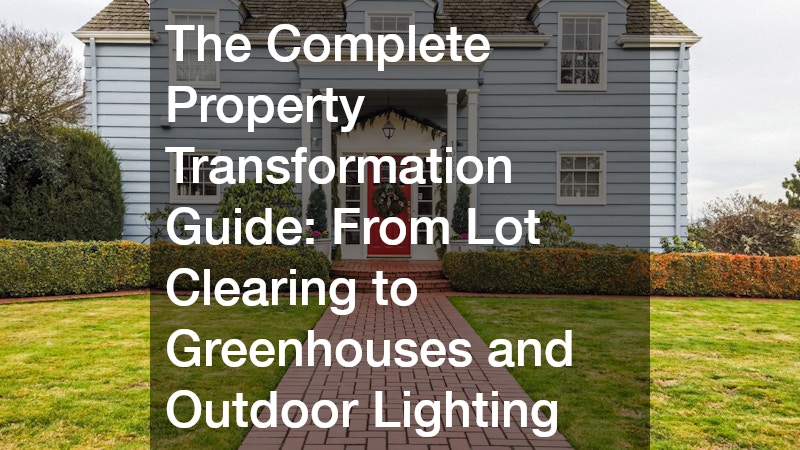
Transforming a piece of land into a functional, attractive, and productive property takes more than a few quick upgrades. It requires planning, coordination, and the right combination of services to bring everything together. Whether the goal is to create a peaceful backyard retreat, a productive garden space, or a polished landscape that adds value to a home, every step matters.
This guide outlines the full process, starting with preparing raw land and ending with a refined outdoor environment that includes practical features and visual appeal. By understanding each phase, property owners can make informed decisions and avoid costly mistakes along the way. A thoughtful approach also helps ensure that each improvement complements the next, creating a cohesive result instead of a collection of disconnected upgrades.
Starting with a Clean Slate: Why Preparation Matters
Before any improvements can begin, the land must be properly prepared. This is where lot clearing becomes essential. Removing unwanted trees, brush, rocks, and debris creates a blank canvas for future development. It also helps prevent issues with drainage, pests, and uneven ground.
A well-executed clearing process improves safety and accessibility. It ensures that heavy equipment can move freely and that future installations, such as structures or planting areas, have a stable foundation. Skipping this step often leads to complications later, including poor soil conditions and structural instability.
In addition to clearing, it is important to assess the soil. Testing for nutrient levels and compaction can guide the next steps, especially when planning for planting or lawn installation. Soil amendments may be required to improve drainage or increase fertility. Addressing these concerns early reduces the need for corrections after the landscape is already in place.
It is also helpful to think about grading at this stage. Proper grading directs water away from structures and prevents pooling, which can damage foundations and create muddy areas. Even subtle adjustments to elevation can make a noticeable difference in how the property functions over time.
The Role of Professional Care in Early Development
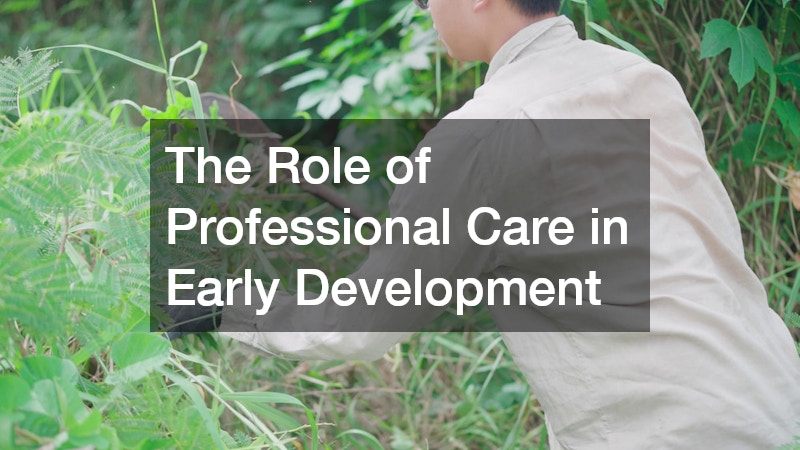
Once the land is cleared, attention shifts to shaping the landscape and maintaining existing vegetation. This is where a professional tree service plays a critical role. Skilled crews can remove hazardous limbs, shape trees for healthy growth, and eliminate any remaining obstacles that may interfere with construction or planting.
Working with experienced providers ensures that trees are handled safely and correctly. Improper cutting can damage healthy trees or create long-term risks. Proper pruning, on the other hand, encourages stronger growth and improves the overall appearance of the property.
In many cases, property owners benefit from hiring a local tree service that understands regional conditions. Climate, soil type, and native species all influence how trees should be managed. Local expertise often leads to better outcomes and more efficient service.
Beyond basic maintenance, professionals can also identify signs of disease or decay that may not be obvious to an untrained eye. Early detection allows for targeted treatment, which can save trees that might otherwise need to be removed. This level of care helps preserve the natural character of the property while ensuring safety.
Preparing the Ground for Growth
After the major clearing and tree work are complete, the focus shifts to the soil itself. Healthy soil is the foundation of any successful landscape, and proper preparation makes a noticeable difference in long-term results.
Grass seeding is often one of the first steps in creating a lush lawn. Timing is important, as seeds need the right combination of temperature and moisture to establish strong roots. Proper grading and soil preparation help ensure even coverage and reduce the risk of patchy growth.
To support this process, many property owners invest in a fertilizing service. Balanced nutrients promote faster germination and stronger grass, which helps the lawn resist weeds and environmental stress. Professional application also reduces the risk of over-fertilizing, which can damage plants and harm the surrounding environment.
Irrigation planning should also be considered at this stage. Even the best soil and seed will struggle without consistent moisture. Installing a simple watering system or planning a manual schedule can make a significant difference in early growth. Over time, a well-established lawn requires less intervention, making the initial investment worthwhile.
Enhancing Tree Health and Structure
As the landscape begins to take shape, maintaining tree health becomes an ongoing priority. Skilled tree trimmers help guide growth patterns, remove weak or damaged branches, and improve the overall structure of each tree.
Regular trimming not only enhances appearance but also reduces safety risks. Overgrown branches can interfere with structures, block sunlight, or become hazardous during storms. By keeping trees properly maintained, property owners protect both their investment and their surroundings.
This stage is also an opportunity to evaluate tree placement. In some cases, selective removal or relocation may be necessary to make room for future features such as gardens or structures. Thoughtful planning ensures that trees enhance the space rather than limit its potential.
Healthy trees also contribute to better soil conditions. Their root systems help prevent erosion, while fallen leaves can add organic matter back into the ground. When managed correctly, trees become an integral part of a balanced and sustainable landscape.
Building Functional Spaces with Purpose
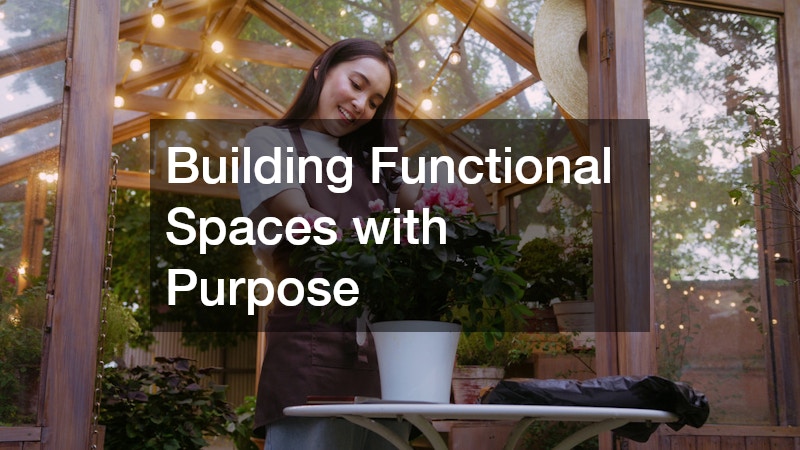
With the landscape established, the next step involves adding practical elements that improve usability. A well-placed storage shed provides a convenient solution for organizing tools, equipment, and seasonal items. It keeps the property tidy while protecting valuable items from weather exposure.
When selecting a location, accessibility and drainage should be top priorities. The structure should be easy to reach without disrupting the flow of the yard. Proper placement also helps prevent water buildup, which can lead to long-term damage.
In addition to storage, property owners often begin planning for specialized spaces, such as gardening areas or outdoor living zones. Each addition should complement the overall design and serve a clear purpose. For example, seating areas may be positioned to take advantage of shade, while workspaces should be located near water sources.
Durability is another important factor. Choosing materials that can withstand local weather conditions reduces maintenance and extends the life of each structure. A thoughtful approach to design and placement ensures that these additions remain useful for years to come.
Creating Productive and Sustainable Garden Areas
For those interested in growing plants year-round, greenhouses offer a reliable solution. These structures provide a controlled environment that protects plants from extreme weather and extends the growing season.
A well-designed greenhouse allows for better temperature regulation, improved humidity control, and protection from pests. It also creates opportunities for cultivating a wider variety of plants, including vegetables, herbs, and flowers.
Placement is key. Greenhouses should receive ample sunlight while remaining accessible for daily care. Proper ventilation and drainage are also important to prevent issues such as mold or overheating.
In addition to traditional planting, these spaces can support seed starting and plant propagation. This allows property owners to grow plants from an early stage, reducing costs and increasing control over the growing process. Over time, a well-managed greenhouse can become one of the most productive features on the property.
Managing Pests and Protecting Investments
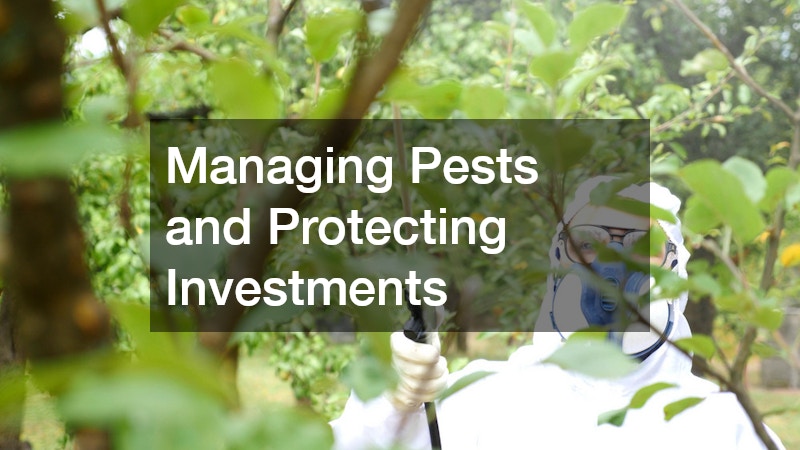
As plants and landscaping features are introduced, pest management becomes increasingly important. Unchecked infestations can damage plants, weaken trees, and reduce the overall health of the property.
Professional pest control services help identify and address issues before they become severe. Targeted treatments minimize harm to beneficial insects while effectively managing unwanted pests. This balanced approach supports a healthier ecosystem.
Regular inspections and preventative measures are often more effective than reactive treatments. By maintaining a consistent plan, property owners can protect their investment and reduce the risk of costly damage.
Integrated pest management strategies can also be used to limit chemical use. These methods may include introducing natural predators, improving soil health, and selecting pest-resistant plants. A combination of approaches often produces the best results.
Bringing the Landscape to Life After Dark
A well-designed property should be both functional and visually appealing at all hours. Outdoor lighting plays a key role in achieving this balance. It enhances safety, highlights key features, and creates a welcoming atmosphere.
Strategic lighting can illuminate pathways, accentuate trees, and showcase architectural elements. It also improves security by reducing dark areas around the property.
Energy-efficient options, such as LED fixtures and solar-powered lights, offer long-lasting performance with minimal maintenance. With the right design, lighting transforms the landscape into a space that can be enjoyed day and night.
Layered lighting techniques can add depth and dimension. Combining path lights, accent lights, and ambient lighting creates a more dynamic and visually interesting environment. Careful placement ensures that the lighting feels natural rather than overwhelming.
Maintaining Balance Through Ongoing Care
Once all elements are in place, ongoing maintenance ensures that the property continues to thrive. This includes regular lawn care, tree maintenance, and seasonal adjustments.
Consistent attention helps prevent small issues from becoming major problems. It also preserves the visual appeal and functionality of the space. Property owners who invest in routine care often see better long-term results and lower overall costs.
Maintenance plans can be tailored to the specific needs of the property. Factors such as climate, soil conditions, and plant types all influence the level of care required. Seasonal tasks, such as pruning, fertilizing, and cleaning, keep the landscape looking its best throughout the year.
Over time, small improvements can be made to refine the space. Adjusting plant placement, updating materials, or enhancing existing features allows the property to evolve without requiring a complete redesign.
Planning for Long-Term Success
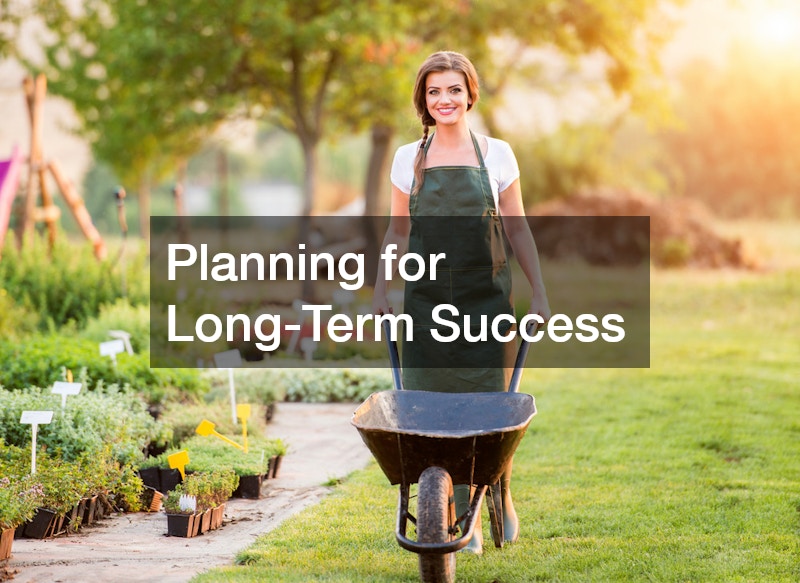
A successful property transformation does not end with installation. It evolves over time as plants grow, structures age, and needs change. Thoughtful planning helps ensure that the landscape remains adaptable and resilient.
Future improvements may include expanding garden areas, upgrading structures, or enhancing lighting systems. By considering long-term goals from the beginning, property owners can create a cohesive design that supports future growth.
Budgeting for maintenance and upgrades is also an important part of long-term planning. Setting aside resources for repairs and improvements helps avoid unexpected expenses and keeps the property in good condition.
Sustainability should also be considered. Choosing native plants, conserving water, and using efficient materials can reduce environmental impact while maintaining a beautiful and functional space.
Another important factor is usability across different seasons. A well-planned property should feel just as inviting in cooler months as it does in warmer ones. This might include adding windbreaks, choosing plants with year-round appeal, or creating covered areas that provide shelter from the elements. These small adjustments can extend how often the space is used and enjoyed.
It is also worth considering how the property will be used on a daily basis. Clear pathways, defined zones, and easy access to tools or seating areas can make a noticeable difference in convenience. When a space is easy to navigate and maintain, it is far more likely to be used regularly and enjoyed to its fullest.
Bringing It All Together
Transforming a property from raw land into a fully developed outdoor space is a rewarding process that combines planning, effort, and expertise. Each step, from initial clearing to final enhancements, plays a vital role in the overall outcome.
By approaching the project methodically and working with experienced professionals, property owners can create a space that is both functional and visually appealing. The result is an environment that supports everyday use, enhances property value, and provides lasting enjoyment.
With the right strategy, even the most undeveloped land can be transformed into a thriving and beautiful property. Over time, the space becomes more than just a landscape. It becomes an extension of the home, offering comfort, utility, and a connection to the outdoors that continues to grow stronger with each passing season.
As the property matures, it often reflects the preferences and lifestyle of those who use it. What begins as a simple project can evolve into a space that supports relaxation, productivity, and gatherings with family and friends. This long-term transformation is what makes the effort worthwhile, turning an ordinary piece of land into something truly meaningful.
