
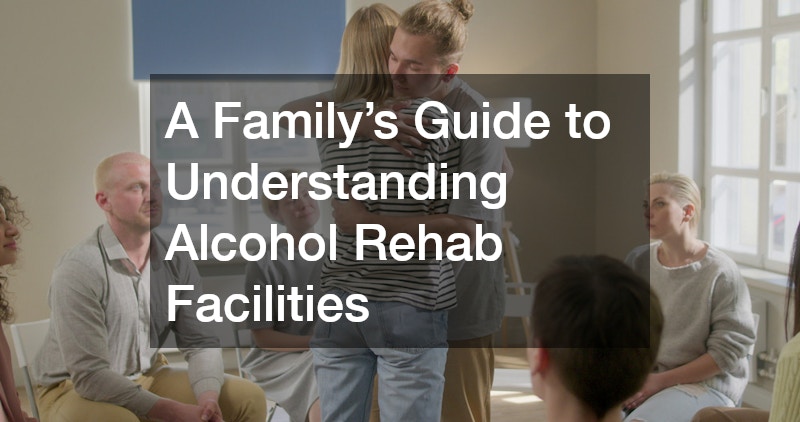
When a loved one is struggling with alcohol addiction, families often feel overwhelmed, confused, and unsure of what steps to take next. Learning about treatment options is one of the most important first steps toward recovery. Alcohol rehab facilities are designed to provide structured, supportive environments where individuals can safely detox, receive therapy, and begin rebuilding their lives. For families, understanding how these facilities work can make the process less intimidating and more hopeful.
Recognizing When Professional Help Is Needed
Alcohol use disorder can affect every aspect of a person’s life, including physical health, relationships, employment, and mental well-being. Warning signs may include increased tolerance, withdrawal symptoms, secrecy, neglect of responsibilities, or unsuccessful attempts to quit.
When drinking begins to cause significant harm and self-directed efforts to stop have failed, professional treatment may be necessary. Alcohol rehab facilities offer medical supervision, therapeutic support, and structured programs that are difficult to replicate at home.
Recognizing that addiction is a medical condition—not a moral failing—can help families approach treatment with compassion and understanding.
Types of Alcohol Rehab Programs
There are several types of treatment programs available, and the right choice depends on the individual’s needs, severity of addiction, and personal circumstances.
Inpatient (Residential) Treatment
Inpatient programs require individuals to live at the facility for a set period, typically 30 to 90 days or longer. These programs provide 24-hour care, medical monitoring, therapy sessions, and a highly structured environment. Inpatient treatment is often recommended for individuals with severe addiction, co-occurring mental health disorders, or a history of relapse.
Outpatient Treatment
Outpatient programs allow individuals to live at home while attending scheduled therapy sessions and support meetings. This option may be suitable for those with mild to moderate addiction or strong support systems at home. While outpatient care offers flexibility, it requires a high level of personal accountability.
Understanding the differences between these options helps families make informed decisions when evaluating alcohol rehab facilities.
The Role of Medical Detox
For many individuals, the first stage of treatment is medical detoxification. Alcohol withdrawal can be uncomfortable and, in some cases, dangerous. Symptoms may include anxiety, tremors, nausea, seizures, and delirium tremens (DTs).
Medical detox programs provide supervision and medications to manage withdrawal symptoms safely. According to the National Institute on Alcohol Abuse and Alcoholism, medically supervised detox significantly reduces health risks during the early stages of recovery.
Families should ensure that the facility they choose offers appropriate medical support when detox is required.
Therapeutic Approaches in Treatment
Beyond detox, therapy is the foundation of long-term recovery. Most alcohol rehab facilities offer a combination of evidence-based treatments tailored to individual needs.
Common therapeutic approaches include:
- Cognitive Behavioral Therapy (CBT): Helps individuals identify and change harmful thought patterns and behaviors.
- Group Therapy: Provides peer support and shared experiences in a structured setting.
- Family Therapy: Involves loved ones in the healing process, improving communication and rebuilding trust.
- Dual Diagnosis Treatment: Addresses co-occurring mental health conditions such as depression or anxiety alongside addiction.
These therapies work together to address not only the physical aspects of addiction but also the emotional and psychological factors that contribute to substance use.
What Families Can Expect During Treatment
Entering rehab is a significant transition for both the individual and their loved ones. Many families experience mixed emotions—relief, guilt, fear, or uncertainty. Clear communication with facility staff can help ease concerns.
Most programs include structured daily schedules that combine therapy sessions, educational workshops, wellness activities, and support meetings. Family involvement may include visitation, counseling sessions, or educational programs designed to help loved ones understand addiction and recovery.
Supporting someone in treatment often means maintaining healthy boundaries, practicing patience, and participating in recommended family programs.
Evaluating Quality and Accreditation
Not all facilities are the same. Families should look for licensed and accredited centers that employ qualified medical and mental health professionals. Accreditation from organizations such as The Joint Commission indicates adherence to established standards of care.
When researching alcohol rehab facilities, consider asking the following questions:
- Is medical detox available on-site?
- What therapeutic approaches are used?
- What is the staff-to-patient ratio?
- Are aftercare and relapse prevention programs included?
- Does the facility accept insurance or offer payment plans?
Taking the time to evaluate options carefully can improve treatment outcomes.
The Importance of Aftercare
Recovery does not end when a residential program concludes. Ongoing support is essential for maintaining sobriety. Aftercare plans may include outpatient counseling, support groups, sober living arrangements, or alumni programs.
Relapse prevention strategies are often a core component of discharge planning. Facilities may provide coping tools, stress management techniques, and resources to help individuals transition back into daily life.
Families play a crucial role during this stage by offering encouragement while avoiding enabling behaviors.
Hope and Healing for the Whole Family
Addiction affects more than just the individual—it impacts the entire family system. However, recovery can also bring healing to relationships and restore stability. By learning about alcohol rehab facilities and understanding what treatment involves, families can approach the process with greater confidence and clarity.
Seeking professional help is not a sign of failure; it is a courageous step toward lasting change. With the right support, guidance, and commitment, recovery is possible—and families can play a powerful role in that journey toward a healthier, alcohol-free future.
