
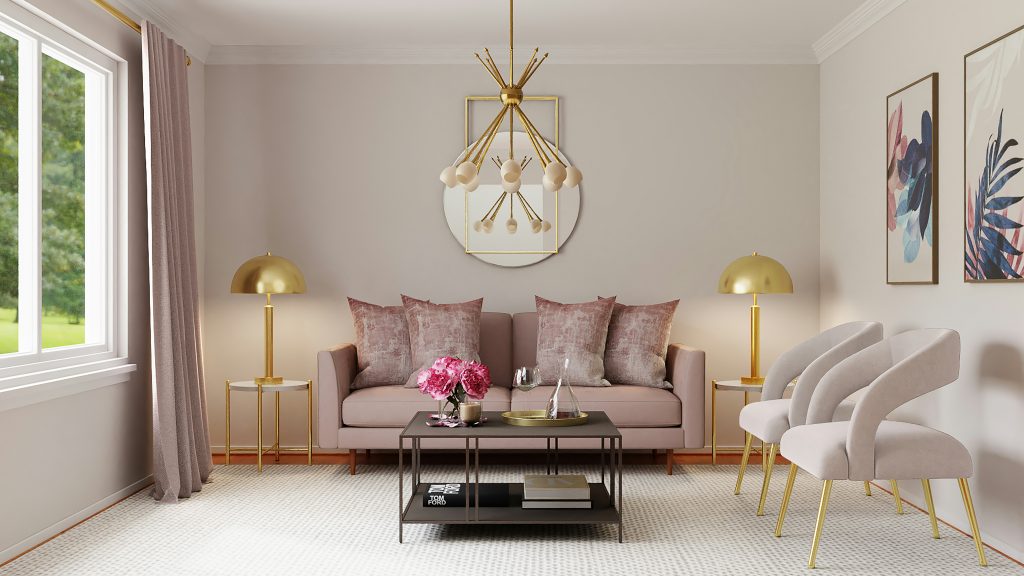
Highlights:
- Neutral foundations give you flexibility. Sticking to creams, whites, and muted earth tones on walls and big furniture means you can update accents anytime without a full redo.
- Quality beats quantity, especially on daily-use pieces. Spend more on items like your sofa, bed frame, and mattress, since well-made versions last far longer than cheap replacements.
- Natural materials age better than synthetic ones. Wood, stone, linen, and leather develop character over time instead of just looking worn out.
- Layout matters as much as decor. Clear walkways, thoughtful furniture placement, and functional flow make a space feel good to live in, not just to photograph.
- Texture keeps neutral rooms from feeling flat. Mixing materials like boucle, wool, ceramic, and wood adds visual interest without relying on bold color.
- Layered lighting and restrained statement pieces create sophistication. Combining ambient, task, and accent lighting, plus limiting bold pieces to one or two per room, keeps a space polished rather than cluttered.
- Personal touches are what make a home timeless. Family photos, heirlooms, and meaningful objects add authenticity that no design trend can replicate.
Scrolling through home decor feeds can feel like a full-time job. One month everything is supposed to be dopamine-colored maximalism, and the next month you’re told to rip it all out for quiet luxury and beige linen everything. It’s exhausting, and worse, it’s expensive if you actually try to keep up. The good news is that chic design was never really about chasing whatever is hot right now. It’s about choosing elements that feel good today, next year, and honestly a decade from now. This article walks through eight ideas that have proven themselves over time, long before anyone was posting them online, and that will likely still look right long after this year’s trend cycle has faded into the background.
Start With a Neutral Foundation
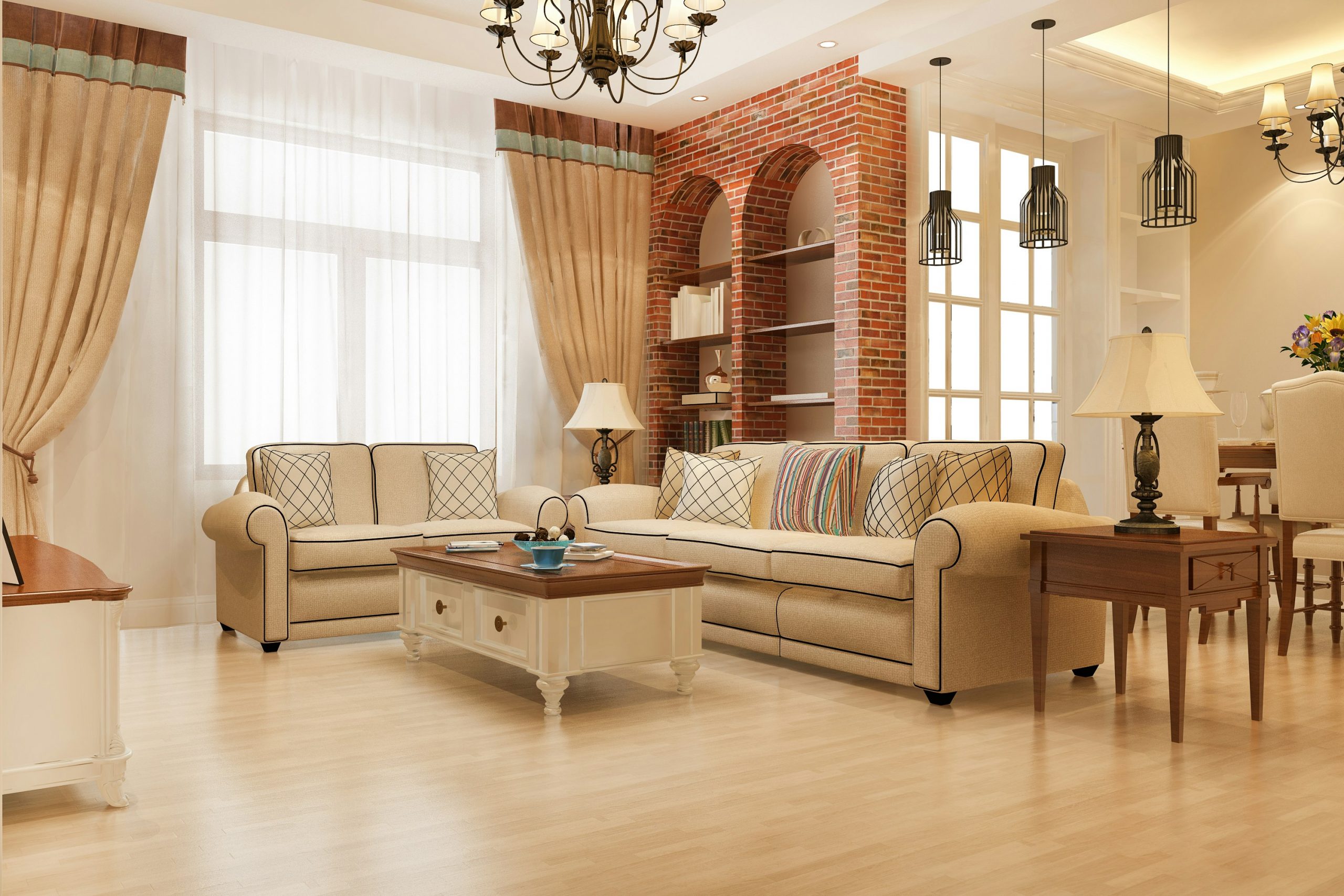
A neutral base is the single easiest way to future-proof any room. Think creams, warm whites, soft greiges, and muted earth tones on your walls, floors, and large furniture pieces. These colors act like a blank canvas, which means you can swap out accessories, throw pillows, and artwork whenever you want without repainting a single wall.
Here’s why this works so well over the long haul:
- Neutral palettes photograph well in any lighting, which matters if you ever plan to sell
- They pair effortlessly with both warm and cool accent colors
- They hide wear and tear better than stark white or very dark shades
- They make small spaces feel bigger and large spaces feel calmer
A lot of homeowners worry that neutral means boring, but that’s really a matter of texture and layering, which we’ll get into shortly. A neutral shell simply gives you the freedom to experiment on top of it without commitment anxiety.
Invest in Quality Over Quantity
This one sounds like a cliché, but it holds up because it’s simply true. A single well-made sofa, built on a solid hardwood frame with genuine down or high-density foam cushions, will outlast three cheaper versions and look better doing it. Fast furniture tends to sag, pill, and warp within a couple of years, which means you end up buying it again anyway, except now you’ve spent more money overall and created more waste in the process.
When you’re deciding where to splurge, focus on the pieces you touch and use daily: your bed frame, your sofa, your dining chairs, and your mattress. These are worth the investment. For lower-stakes items like a side table or a decorative tray, it’s perfectly fine to shop budget-friendly, since those pieces are easier and cheaper to replace if your taste shifts.
Let Natural Materials Do the Talking
Wood, stone, linen, wool, rattan, and leather have been used in homes for centuries, and there’s a reason they never really go out of style. These materials age with character instead of just looking worn out. A wooden dining table develops a patina. Leather softens and deepens in color. Linen gets that relaxed, lived-in drape that synthetic fabrics can’t quite replicate.
Bringing natural materials into your home also has a grounding effect that’s hard to fake. A living room with a stone coffee table, a jute rug, and a linen sofa feels calm and intentional in a way that plastic laminate and polyester just don’t. If budget is a concern, you don’t need to go all in at once. Start with one anchor piece, like a solid wood coffee table or a wool area rug, and build outward from there.
Prioritize Layout and Flow Over Decoration
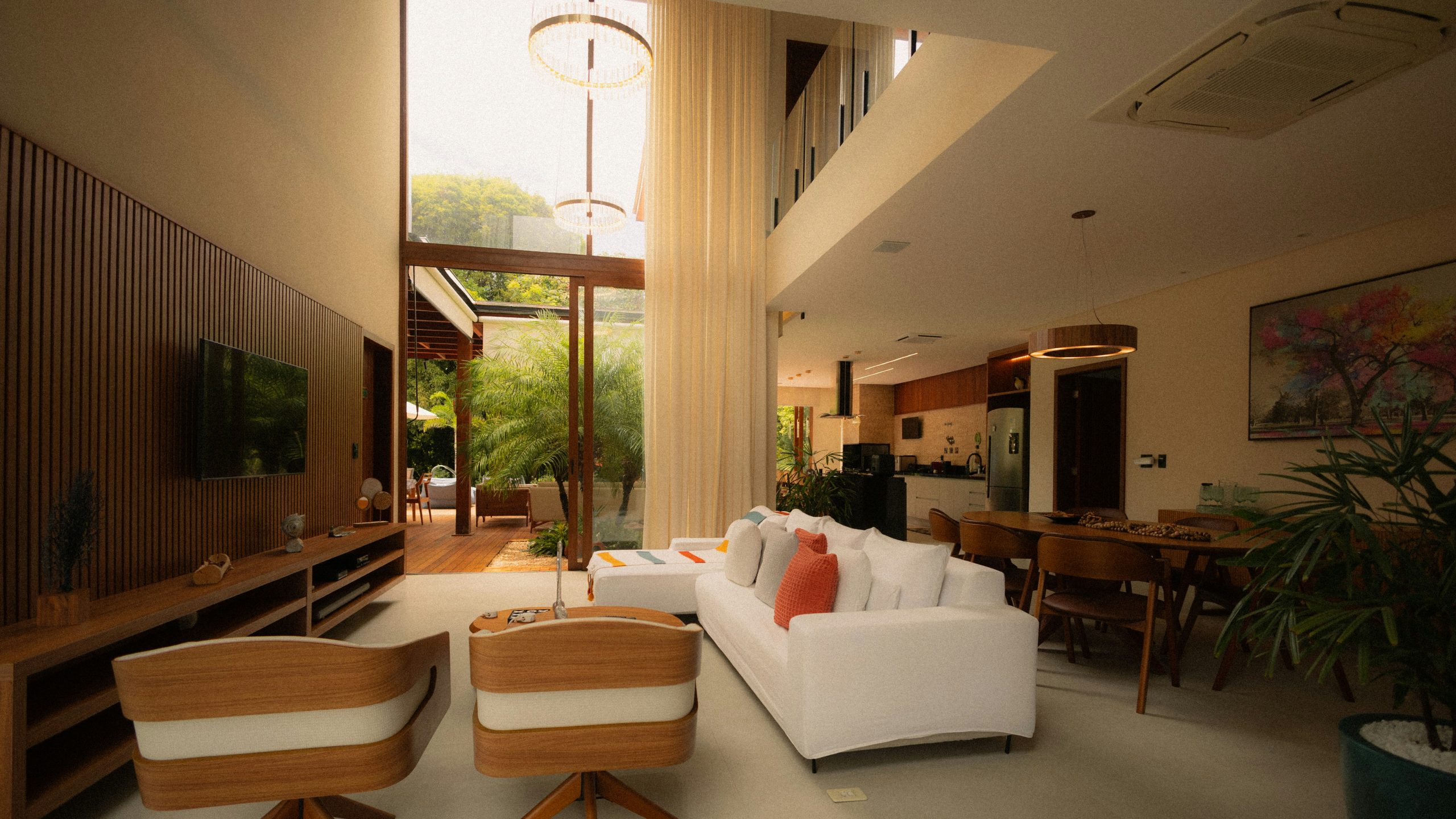
Here’s something that trend-chasers often skip right past: how a room actually functions matters more than how it looks in a single photo. Furniture arrangement should support the way people naturally move through and use a space. A sofa blocking a walkway or a dining table crammed against a wall might look fine in a listing photo, but it gets frustrating fast in real life.
A few practical layout principles worth keeping in mind:
- Leave at least 30 inches of walking space between major furniture pieces
- Float furniture away from walls in larger rooms to create conversation areas
- Keep pathways clear between entry points and high-traffic zones like the kitchen
- Make sure every seat has a nearby surface for a drink or a book
Good flow is invisible when it’s done right, which is exactly the point. Guests won’t consciously notice a well-planned layout, but they will feel more comfortable in it, and that feeling sticks around long after any decorative trend has faded.
Bring in Texture to Avoid a Flat Look
If you’ve committed to a neutral, natural-material palette, texture is what keeps the space from feeling flat or sterile. Mixing a nubby boucle chair with a smooth leather ottoman, a chunky knit throw, and a sleek ceramic vase gives the eye plenty to explore without needing bold color to do the heavy lifting.
Layering texture is genuinely one of the most underrated design skills, and it’s also one of the more affordable ones to practice. A few ideas to try:
- Add a woven rug on top of hardwood or tile flooring
- Mix matte and glossy finishes across your accessories
- Combine soft textiles like velvet or wool with harder materials like wood or metal
- Use plants to introduce organic, irregular shapes into a room
Texture is also one of the fastest ways to update a room’s personality without touching the big-ticket items, which makes it a great tool if you like to refresh your space seasonally without a full overhaul.
Choose Timeless Lighting Fixtures
Lighting trends move fast, which is exactly why it pays to choose fixtures with classic silhouettes rather than whatever shape is currently flooding design blogs. A well-proportioned pendant, a simple brass sconce, or a classic drum shade will still look appropriate in your home years from now, while something overly trendy can start to feel dated surprisingly quickly.
Beyond style, think about layering your lighting sources. A single overhead fixture rarely does a room justice. Combine ambient lighting from ceiling fixtures, task lighting from lamps near reading chairs or desks, and accent lighting to highlight artwork or architectural details. This layered approach not only looks more sophisticated, it also gives you flexibility to set the mood for different times of day and different occasions.
Keep Statement Pieces to a Minimum
It’s tempting to fill a home with bold, eye-catching pieces, but restraint is actually what separates chic spaces from cluttered ones. Pick one or two statement pieces per room, whether that’s a striking piece of art, a sculptural light fixture, or a bold accent chair, and let everything else play a supporting role.
This approach has a couple of clear advantages. First, it makes your statement pieces actually stand out instead of competing with ten other loud elements for attention. Second, it gives you room to grow and adjust your space gradually rather than committing to a fully realized look all at once. If you’re planning a longer-term renovation, this same philosophy of intentional pacing applies well beyond a single room; it’s part of a broader strategy for transforming your entire property without letting any one space feel disjointed from the rest.
Add Personal Touches That Aren’t Tied to Trends
Finally, the most timeless element of any home isn’t a material or a color scheme, it’s you. Family photos, travel souvenirs, inherited furniture, and handmade items all carry a story that no trend report can replicate or replace. These pieces are what make a home feel like yours rather than a showroom or a page torn out of a catalog.
A few ways to weave personality into your space without it feeling cluttered:
- Display a curated collection of meaningful objects on open shelving
- Frame photos or artwork in matching frames for a cohesive gallery wall
- Use heirloom furniture as a focal point rather than tucking it away
- Rotate smaller personal items seasonally to keep things feeling fresh
Trends will always come and go, but the things that genuinely mean something to you will keep your home feeling authentic no matter what year it is.
Wrapping It Up
Chic home design isn’t about keeping up with whatever’s trending this season, it’s about building a space around choices that hold up over time: neutral foundations, quality materials, smart layouts, layered texture, thoughtful lighting, restrained statement pieces, and personal touches that make a house feel like home. Focus on these fundamentals first, and you’ll find that your space stays stylish and comfortable no matter what’s currently filling up your social media feed. The trends will keep cycling through, but a well-designed, personally meaningful home never really goes out of style.
